(800) 253-1482
Does Insurance Cover Hail Damage in Texas?
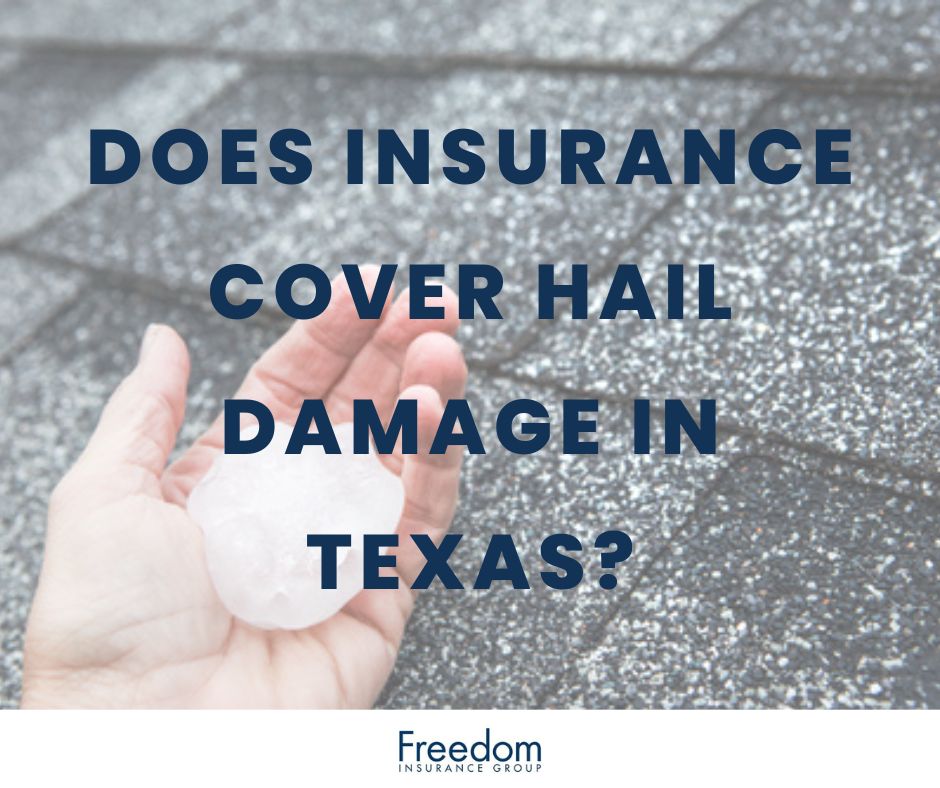
Summary: Hailstorms in Texas can seriously damage homes and cars in minutes. Homeowners insurance typically covers hail damage to your house, and comprehensive auto insurance can cover your vehicle. However, rising premiums mean it's important to be strategic about filing claims. In this guide, we'll explain how coverage works, when it's smart to file, and tips to protect your property before the next big storm hits. Estimated Read Time: 11 mins
Table of Contents:
- Does Home Insurance in Texas Cover Hail Damage?
- Does Car Insurance in Texas Cover Hail Damage?
- Will a Hail Claim Raise My Insurance Premium in Texas?
- Should I File a Hail Damage Claim for My Car in Texas?
- How to Protect Your Car From Hail Damage in Texas
- How to Protect Your Texas Home From Hail and Wind Damage
- Texas Hail Damage & Insurance Facts Homeowners Should Know
Golf balls, baseballs, or whatever size you like, hail damage is a serious peril, with storms that can come out of nowhere and slam your home or car within minutes. While insurance can cover these losses, it’s not always that simple.
Homeowners insurance usually covers hail damage to your home, and if you have comprehensive coverage on your auto policy, it can help with your vehicle, too.
However, with rising premiums, homeowners and drivers should be strategic when submitting a claim. In this guide, we’ll break down how insurance covers hail damage, when it makes sense to file a claim, and smart tips to protect your property before the next storm hits.
Does Home Insurance in Texas Cover Hail Damage?
When a Texas hailstorm rolls in, it’s not just loud; it can feel like the sky is throwing rocks at your house.
It’s a stressful event to go through, but here’s the good news: most homeowners insurance policies in Texas cover hail damage as part of your basic protection.
Your dwelling coverage, the part of your policy that protects the actual structure of your home, usually includes damage from windstorms and hail.
That means if your roof, siding, or gutters take a hit, this hail damage is covered by your home insurance in most cases.
Additionally, other structures coverage is there to help you cover things like sheds and detached garages that also may face hail damage.
If you need to file a claim, the process is straightforward. An adjuster will come out and check the damage, and if everything checks out, your wind and hail home insurance will help cover repairs after you meet your deductible.
Keep in mind that while hail damage home insurance coverage can help you restore large losses, if your damage is minor, you may want to think twice about filing a claim.
If the damage costs less than your deductible to fix, it’s usually better to handle it yourself to avoid raising your premiums.
Also, some insurance companies in hail-heavy areas have special rules. If the damage is only cosmetic, like dents that don’t affect how your home works, your claim might be denied.
Always check your policy or talk to your agent so you know what’s covered before the next storm hits.
Shingles
Asphalt shingles are popular in Texas for their durability and price, but hail can still bruise, crack, or dent them. Hail damage on shingles often shows up as dark spots, missing granules, or hidden dents.
Home insurance usually covers hail damage if it affects your roof’s ability to protect your home. Cosmetic damage, like small dents without leaks, might not be covered.
After a storm, inspect your roof. If you spot any issues, contact your insurance agent and a trusted roofer. Catching damage early can save you a lot of money and headaches later.
Pro Tip: Use a quarter to gently tap shingles. If they feel soft or crack, it’s time to get help!
Metal Roof
Metal roofs are a great choice in Texas for durability and storm resistance, but hail can still leave a mark. Larger hailstones may dent or ding the surface, especially on softer metal types.
Home insurance typically covers metal roof hail damage, but it depends on the severity. Cosmetic damage, like small dents that don’t affect the roof’s function, may not be covered.
After a hailstorm, take a quick look at your metal roof. If you see visible dents or other damage, contact your insurance agent and a roofing expert to assess the situation and prevent further issues.
Pro Tip: For extra protection, consider adding a coating or upgrading to a stronger metal type if you're in a high-hail area.
Vinyl Siding
Vinyl siding is affordable and easy to maintain, and even though hail damage can wreak havoc on your home, most home policies will cover it.
However, there is an important caveat: the hail damage on vinyl siding needs to be related to your vinyl's ability to protect your home. That means cosmetic damage alone won't be enough for a successful claim.
Still, always check for cracks or holes after storms, and if there are bigger issues, talking with your insurance agent and a trusted contractor will help you restore your home while preventing bigger problems later.
Pro Tip: Impact-resistant vinyl siding can help protect your home and lower repair costs after severe storms.
Windows
Your home’s windows are vulnerable during hailstorms. Hail can crack the glass, dent frames, or break seals.
Homeowners insurance usually covers hail damage to windows if it affects the home’s ability to keep out wind and rain. Surface scratches or small cosmetic chips, though, might not qualify for a claim.
Always check your windows after a storm. Look for cracks, shattered glass, or water leaks, and contact your insurance agent if you spot any damage.
Pro Tip: Adding storm shutters or impact-resistant windows can help minimize hail damage and save you money on repairs.
Does Car Insurance in Texas Cover Hail Damage?
When hailstorms roll through, cars left in driveways or on the street take a beating. Hail can crack your windshield, snap off mirrors, and leave dents across your car’s body. There are several forms of car insurance in Texas, and if you carry comprehensive auto insurance, your policy usually covers hail damage.
Liability Coverage
While liability coverage is the only type required by law, it wouldn’t protect you from hail or any other weather damage. Liability coverage only comes into play after you’ve been in an accident.
Comprehensive Coverage
Comprehensive insurance protects your car from damage it can sustain while it’s parked. It guards against theft, vandalism, and severe weather, which includes hail.
While comprehensive coverage isn’t mandated by law, a lender may require you to have it if you’ve leased or financed your vehicle.
If you have comprehensive coverage, your insurer will reimburse you for repairs after hail damage, minus your deductible. However, if the damage amounts to less than or around your deductible, you may not want to file a claim.
Full Coverage
Since full coverage typically includes liability, collision, and comprehensive coverages, this type of car insurance will likely cover hail damage. Just remember, every auto policy is different.
It’s critical to understand exactly what coverages you have in place to know for sure whether or not your vehicle is protected from hail damage.
Will a Hail Claim Raise My Insurance Premium in Texas?
Filing a hail damage insurance claim, whether it's your home insurance or car insurance policy, can sometimes raise your premiums.
How much they go up depends on things like your claim history and your insurance company’s rules, but it could be substantial depending on your carrier.
Here’s the deal: the more claims you file, the riskier you look to insurers. They may raise your rates to cover that risk. File too many claims too quickly, and you could even lose your coverage.
That’s why it’s smart to think carefully before filing. If the damage is small and cheaper to fix than your deductible, handling it yourself might save you money and headaches down the road.

Homeowners Insurance and Hail Claims
Filing even one claim can sometimes raise your homeowners insurance premium.
Insurers see someone who files a claim as more likely to file again, which makes them a bigger financial risk. Some claims have a bigger impact than others, though.
For example, personal liability claims, like a dog bite or theft claims, usually affect your rate more than a hail claim. That’s because accidents involving people often repeat and cost a lot in medical or legal bills.
Weather claims, like hail damage, are sometimes treated with more understanding since you can't control the weather.
But if your insurance company is already seeing lots of hail claims or operates in a hail-prone area, even one hail claim could still cause your rate to go up.
Related Read: Your Guide to Filing Your Homeowners Insurance Claim
Car Insurance and Hail Claims
It’s possible your car insurance premium could rise after a hail claim.
Comprehensive claims usually impact your rate less than liability or collision claims, and some insurers won’t raise rates after a single comprehensive claim if the damage is minor. Still, filing multiple claims almost guarantees a rate.
If the hail damage is close to or under your deductible, it’s often smarter to pay out of pocket.
For example, if repairs cost $600 and your deductible is $500, filing a claim would only save you $100, while risking a premium increase that could cost much more over time.
If the damage doesn’t affect how your car drives, you might be better off paying for repairs later when you’re ready.
Just know that insurers often require claims to be filed within a set timeframe after damage occurs. Waiting too long could take insurance coverage off the table, forcing you to handle everything yourself.
Overall, it's important to weigh the cost carefully. Filing a small claim now, for example, if you suffer hail damage to your windshield, could end up costing you a lot more in the long run.
Related Read: The Car Insurance Claim Process Explained
Should I File a Hail Damage Claim for My Car in Texas?
If you have comprehensive coverage on your auto policy in Texas, filing a claim for hail damage can be a smart move. This type of insurance covers "acts of God" like hailstorms, helping you manage costly repairs.
You should strongly consider filing a claim if the vehicle's hail damage is serious. Repairs can get expensive fast, and with comprehensive coverage, you’ll only need to pay your deductible.
If the hail damage is bad enough to total your car, your insurance could even help cover a replacement.
Before filing, document the damage with photos and videos. Review your policy to understand your deductible and any limits. Then, contact your insurer quickly to start the process.
Remember, if the repairs cost less than your deductible, it’s usually better to pay out of pocket.
Furthermore, older cars with pre-existing damage can also complicate claims, sometimes leading to smaller payouts.
The bottom line? It’s a good idea to file a hail damage claim if the repair costs are higher than your deductible, the damage affects your car’s safety or value, or if your vehicle might be totaled.

How to Protect Your Car From Hail Damage in Texas
Protecting against auto hail damage in Texas takes a little planning, but it’s worth it:
- Whenever possible, park in a garage or under a strong shelter when storms are coming.
- If you’re caught without covered parking, cover your windshield, hood, and roof with thick blankets or a tarp to help soften the blow.
- You can also invest in a hail-resistant car cover or even install a carport for long-term protection.
- If you're driving during a hailstorm, slow down and try to pull under an overpass or covered area.
- Folding in your side mirrors can also help avoid extra damage.
Remember, comprehensive auto insurance is your backup plan, and it’s always a good idea in the Lone Star State, as it can help pay for repairs if your vehicle does succumb to hail damage.
How to Protect Your Texas Home From Hail and Wind Damage
Wind and hail storms may not always make headlines, but they cause serious damage every year.
In Texas, around 40% of all homeowners insurance claims are due to hail damage from unpredictable storms, especially those common throughout the spring and summer.
They can strike at any time, which is why it's important to take action now:
- Reviewing your insurance policy to understand how you're covered is important.
- However, you'll also want to check your roof and siding regularly, clean your gutters, and trim any trees near your house.
- Installing impact-resistant roofing and storm shutters can offer extra peace of mind.
Don’t wait for the next storm to cause hail damage to your roof. Get prepared now. A little effort today can save you big headaches and expenses tomorrow.
Texas Hail Damage & Insurance Facts Homeowners Should Know
Being prepared starts with understanding your risks. Here are some of the facts about hail damage in Texas that everyone should keep in mind:
- Filing a claim could raise your coverage as much as 40%, which is a hike in premium that can stick around for two to five years.
- Unfortunately, your home insurance carrier might even drop you altogether, forcing you into high-risk policies with sky-high premiums.
- In most cases, policies in Texas give you up to two years to file a hail claim, but many insurers require notice as soon as you discover damage.
- If you wait too long, your claim may be denied, even if you technically meet the deadline, so it's important to act fast.
- Hailstorms don’t just hit rural areas. Cities like Dallas, Fort Worth, Austin, San Antonio, and Plano have taken some of the hardest financial hits in recent years. This includes some of the hardest hit counties, which are Lubbock, Dallas, Denton, Taylor, Harris, Collin, Wichita, and Ector.
Both home and auto insurance policies will cover hail damage in Texas, but it’s important to pick the right carrier and to understand when it’s the right time to submit a claim for your loss.
Related Read: Hail Season in Texas: When and How it Affects Homeowners
Sources:
NICB: Top states for hail claims, III. Accessed July 2025. https://resilience.iii.org/resilience-blog/tornadoes/nicb-top-states-for-hail-claims/
Will my premium go up if I file a claim?, TDI. Accessed July 2025. https://www.tdi.texas.gov/tips/will-my-premium-go-up-claim.html
How Filing an Insurance Claim Can Raise Your Rates, Investopedia. Accessed July 2025. https://www.investopedia.com/articles/pf/08/claim-raise-rates.asp
How Long After a Hail Storm Do I Have to File a Property Claim?, Rebuild Texas. Accessed July 2025. https://rebuildtx.com/how-long-after-a-hail-storm-do-i-have-to-file-a-property-claim/
Homeowners Insurance Loss Data, TCAIS. Accessed July 2025. https://capitol.texas.gov/tlodocs/88R/handouts/C4502024091709001/5ebf3ef6-f2b1-4780-ba85-a94e758703a3.PDF
Which large Texas city is the most prone to getting large hail?, Houston Chronicle. Accessed July 2025. https://www.houstonchronicle.com/news/houston-weather/article/large-hail-texas-cities-counties-severe-storms-20228455.php